

Description
Purpose
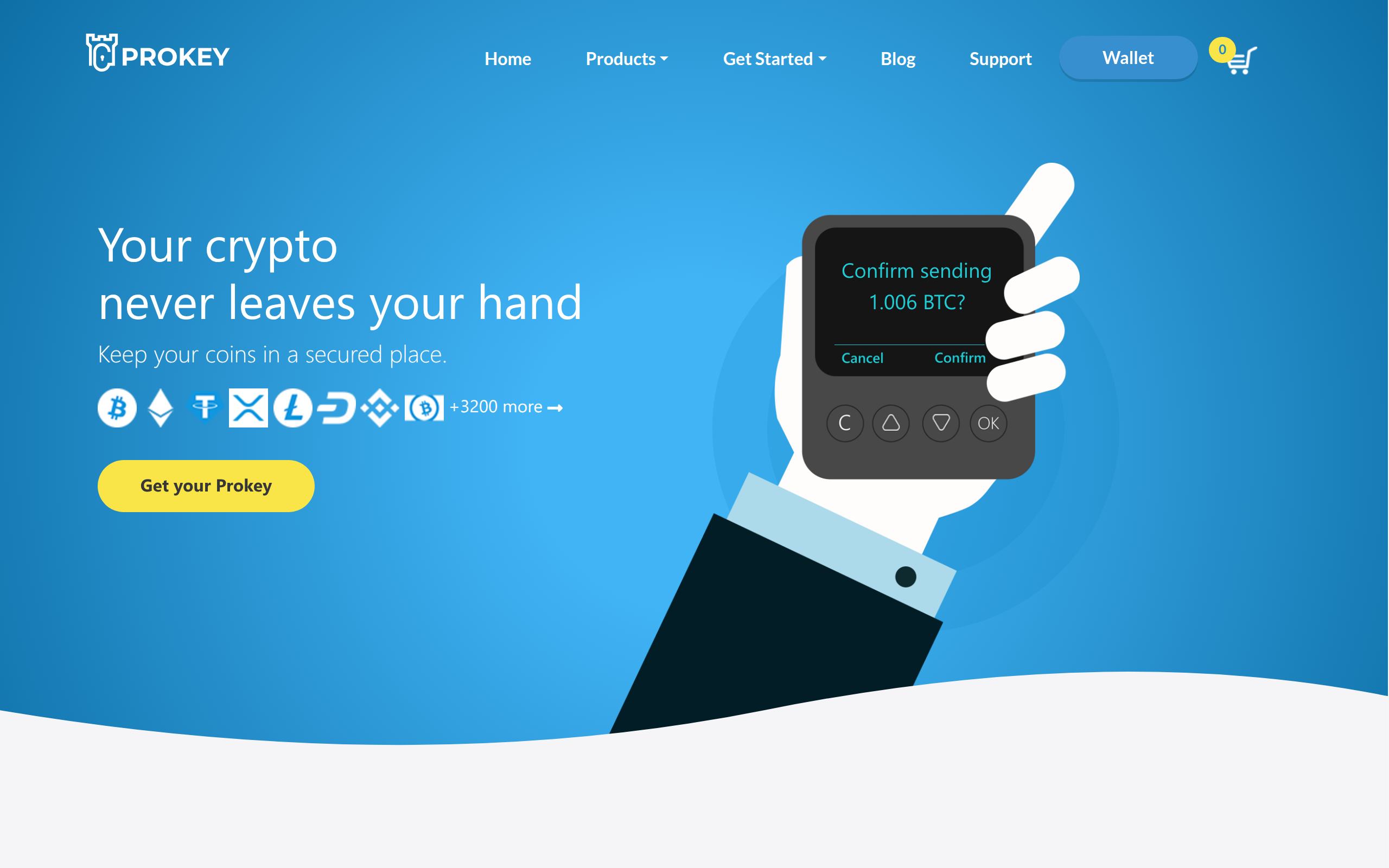
Prokey Optimum is a hardware wallet from Prokey, a Canada-based manufacturer founded in 2019. It keeps private keys offline in cold storage, protecting Bitcoin, Ethereum, USDT, and thousands of other assets while signing transactions securely.
Key Features
- Always offline — private keys never touch the internet
- 3,500+ cryptocurrencies — 17+ blockchain networks in a single wallet
- Web-based wallet — 100% browser-based, no app installation required
- Open source — firmware and software are transparent and verifiable
- Web 3.0 & NFTs — interact with dApps and manage digital collectibles
- USB-C — works with Windows, macOS, Linux, and Android
Main Use Cases
- Long-term cold storage of Bitcoin, Ethereum, and altcoins
- Managing NFTs and interacting with decentralized applications
- Self-custody for users who want an easy, app-free hardware wallet
Highlights
Pros
- Private keys stay offline on the device and transactions are signed on-device, so even a compromised computer can't expose the seed or drain funds.
- Anti-tamper supply-chain protection: units ship with no firmware installed, and firmware only installs after mutual authentication with Prokey's servers, so a used or tampered device won't pass verification.
- Free web demo simulates the full wallet experience before purchase, backed by 24/7 live-chat support and a 14-day money-back guarantee.
- Natively supports 3,500+ cryptocurrencies — Bitcoin, Ethereum, USDT, and altcoins — all managed from a single web-based wallet with no third-party apps required.
- Open-source firmware lets users audit the code themselves, and passphrase support creates hidden wallets layered on top of the 24-word BIP39 seed.
- Doubles as a FIDO2 hardware security key for 2FA on Google, GitHub, and Dropbox, alongside Web 3.0 dApp and NFT management.
Cons
- Runs only through Chromium-based browsers (Chrome, Brave, Edge) via WebUSB — there's no native app, and Safari and Firefox aren't supported.
- ABS plastic body weighing just 16.7g — lightweight but a step below metal-shelled rivals in physical durability.
- Independent coverage is thin — most in-depth third-party reviews date from 2021 shortly after launch, leaving a shorter independent track record than Ledger or Trezor.
- No iOS support — the official compatibility list covers Windows, Mac, Linux, and Android only, and reviewers confirm the wallet doesn't work with iPhones.
- Must be tethered to a computer by USB, so it can't be used on the go — reviewers note it's a wallet you'd likely leave at home rather than carry.