

Description
Purpose
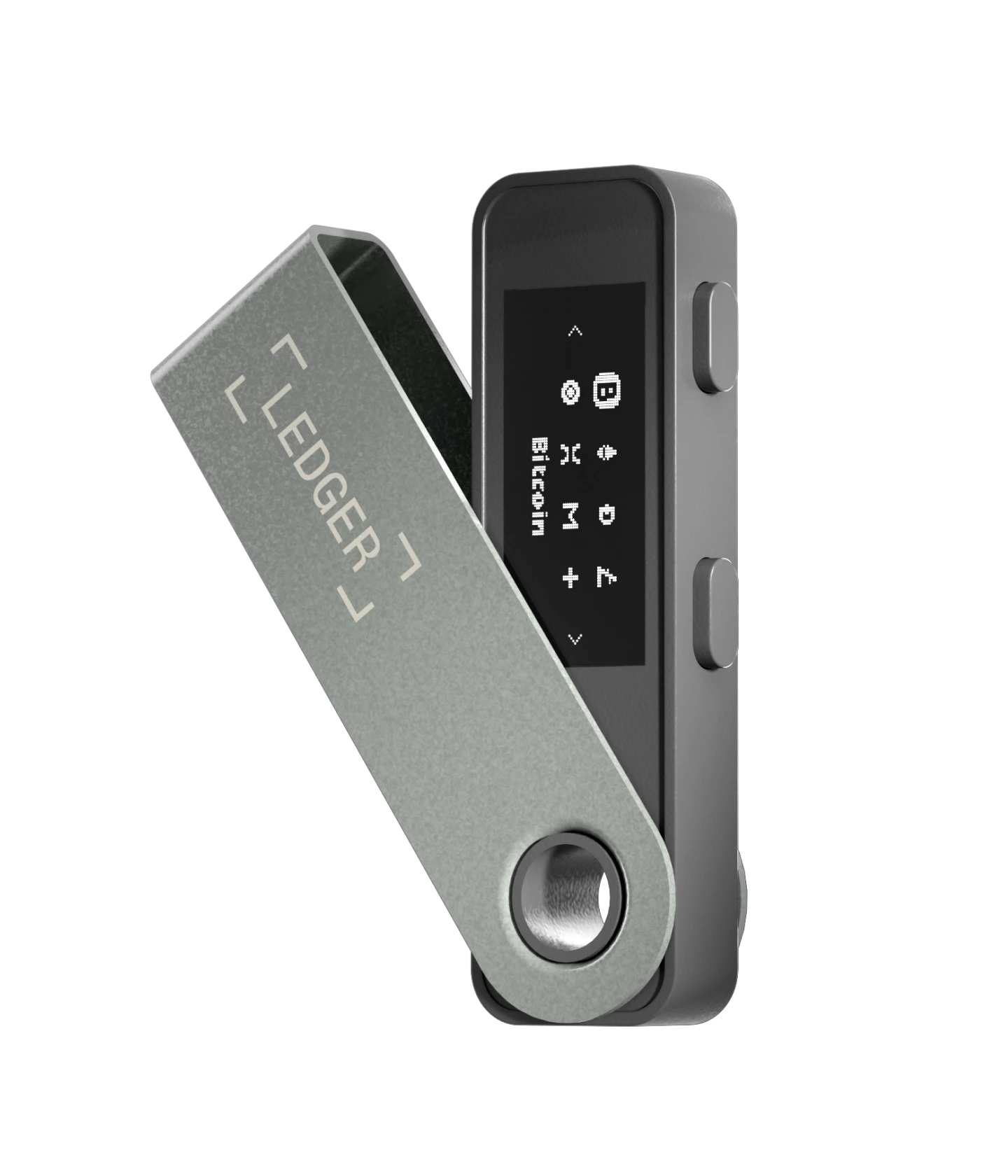
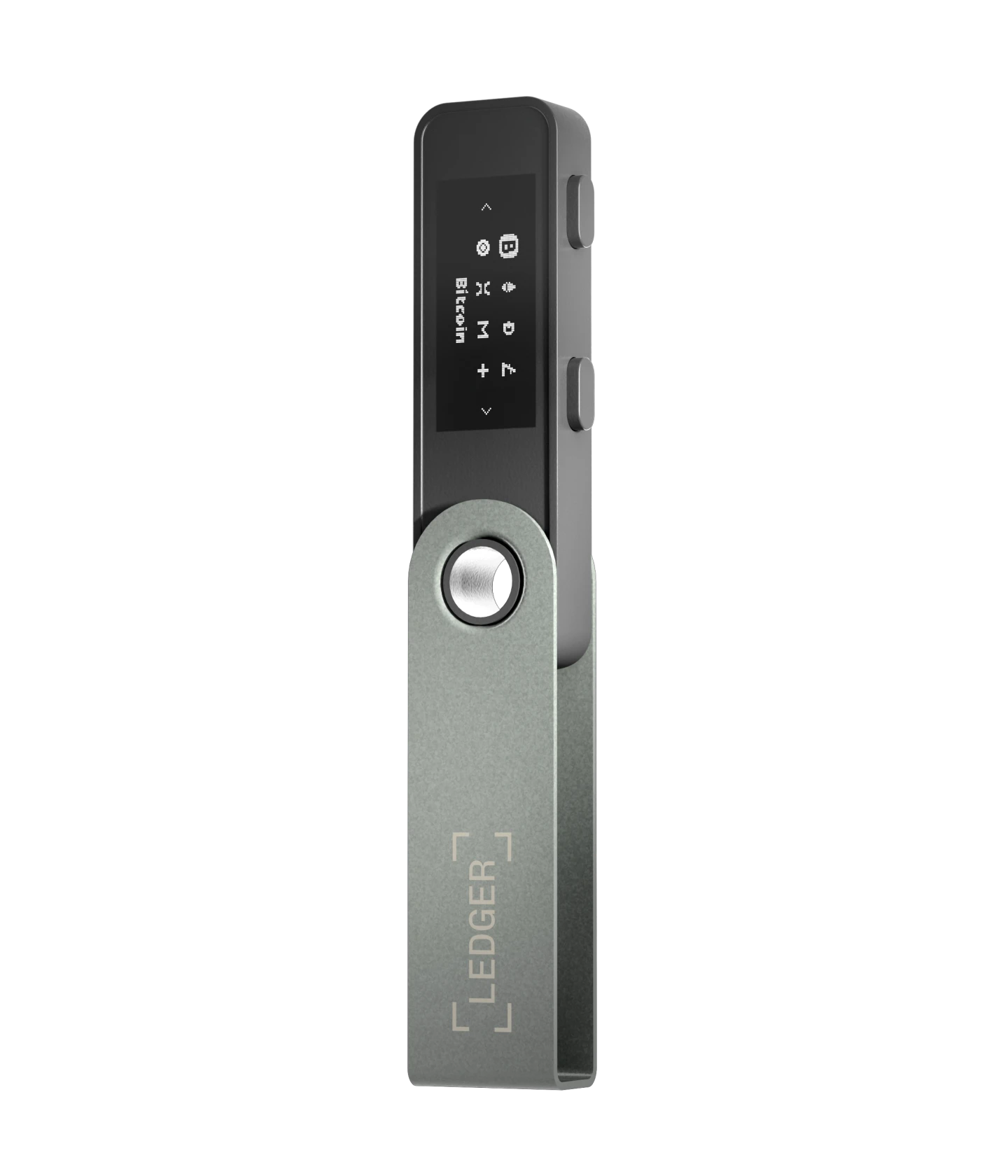
The Ledger Nano S is Ledger's classic, entry-level hardware wallet for secure crypto self-custody. Private keys stay offline inside a certified Secure Element chip, far from hackers' reach and independent of exchanges and internet-connected hot wallets.
Key Features
- Certified security — CC EAL6+ Secure Element chip (ST33K1M5) with Ledger OS and a Trusted Display; only you can approve transactions
- 15,000+ supported crypto — manage Bitcoin, Ethereum, Solana, XRP, stablecoins and more; 500+ assets natively in the Ledger Wallet app
- USB-C, battery-free — plug-and-use with Windows, macOS, Ubuntu and Android 10+ devices
- 2FA Security Key — doubles as a hardware security key for two-factor logins over USB
Main Use Cases
- Long-term cold storage and HODLing of major assets
- A reliable backup signer for stay-at-home portfolio management
- Moving funds off exchanges into your own non-custodial control
Highlights
Pros
- Compatible with third-party wallets including MetaMask, Electrum, MyEtherWallet, and Mycelium, plus Android smartphones via OTG cable.
- Every transaction must be confirmed on the device's own screen and two buttons, so private keys never touch the host computer.
- CC EAL5+-certified secure element keeps private keys isolated on the chip, with no successful remote hack reported across its lifespan.
- Uses the industry-standard BIP-39 recovery protocol, so the 24-word seed can restore funds on any other BIP-39 hardware or software wallet.
- Over 1.5 million units sold, making it one of the most widely adopted hardware wallets and a benchmark for the self-custody market.
- BOLOS operating system runs each installed app in complete isolation, allowing third-party apps such as an SSH agent and FIDO U2F two-factor authentication.
Cons
- Discontinued and end-of-life: Ledger ceased all firmware and security maintenance for the Nano S in mid-2025, with no new features or newer-blockchain support.
- Firmware is not fully open source — Ledger keeps it closed under a non-disclosure agreement with its secure-element chip manufacturer.
- Not powerful enough for Clear Signing of complex smart contracts, forcing users into less secure blind signing for DeFi and NFT interactions.
- Micro-USB-only connection with no Bluetooth or Wi-Fi means no iOS support and requires adapters or special cables on modern USB-C laptops.
- Only 320KB of storage — by the end of its lifecycle it could hold just 2–3 crypto apps at a time, forcing constant uninstall/reinstall cycles.
- The 128×32 pixel OLED screen is tiny and prone to fading or burning out over time, with many long-stored units developing dead displays.