

Description
Purpose
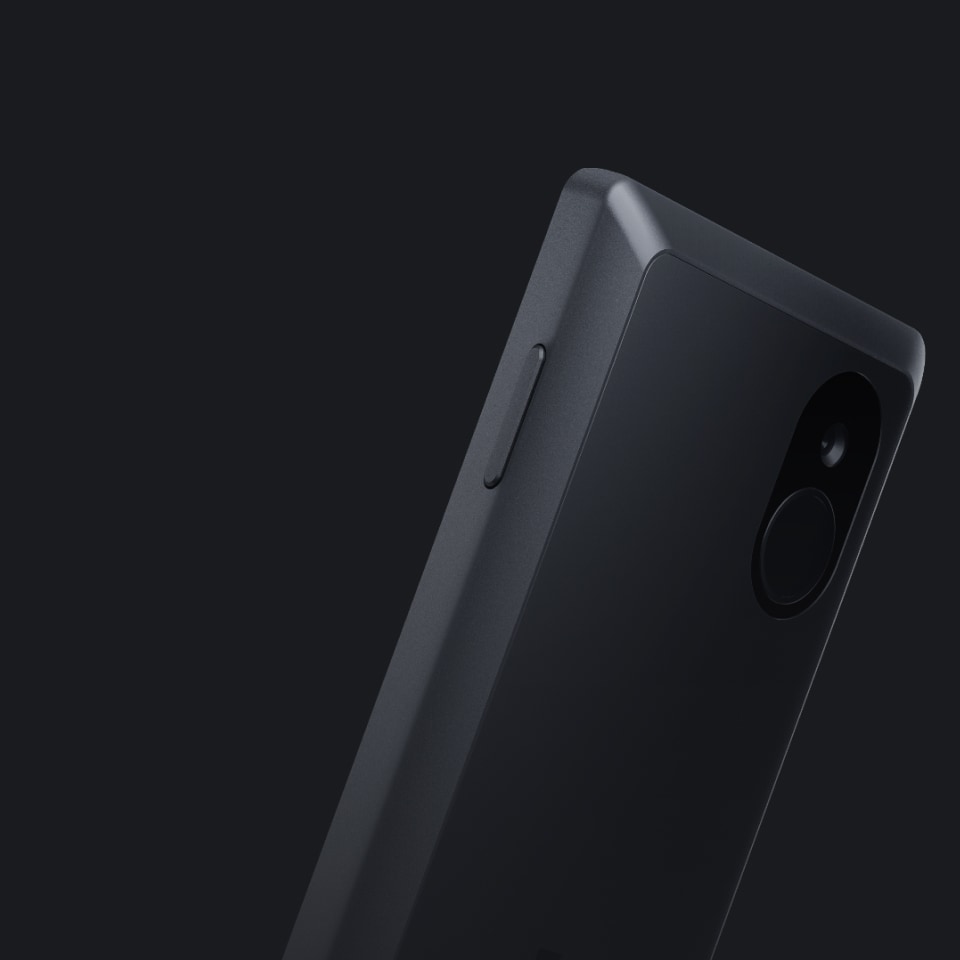
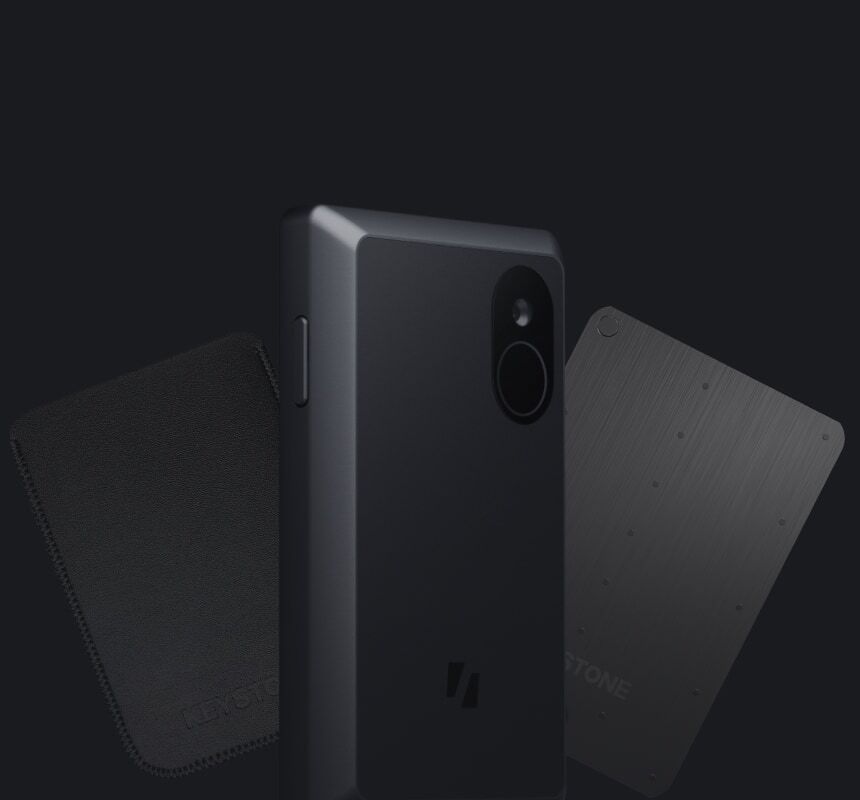
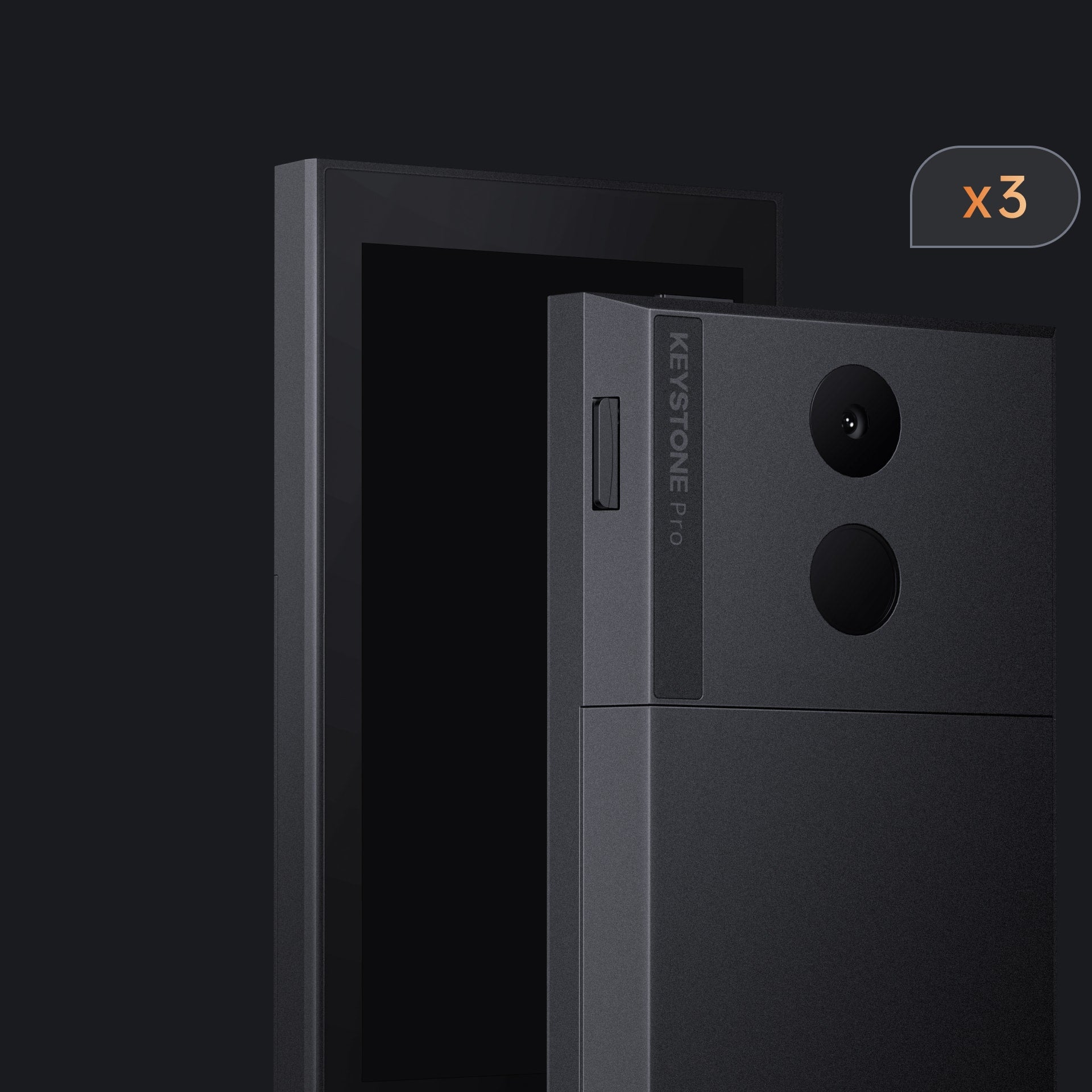
Keystone is an air-gapped hardware wallet for crypto self-custody. Private keys stay offline on the device, and every transaction is signed without an internet connection.
Key Features
- Fully air-gapped — no USB, Bluetooth, Wi-Fi, or NFC; QR-code and microSD only
- Open source — software and hardware publicly verifiable
- Triple secure element chips — fingerprint verification and anti-peeping
- 4-inch touchscreen — review every detail before signing
- 5,500+ assets — multi-coin and Bitcoin-only firmware with PSBT multisig
- 45+ wallet integrations — MetaMask (mobile), OKX, Solflare, Keplr, Safe, and more
- Nexus app — send, receive, and swap from one companion wallet
Main Use Cases
- Long-term cold storage of Bitcoin and altcoins
- Signing DeFi and Web3 transactions from mobile wallets
- Passphrase, Shamir backup, and Bitcoin-only multisig setups
Highlights
Pros
- Holds up to three recovery phrases on one device and supports Shamir Secret Sharing (SLIP-39) split backups.
- Triple secure element chips (ATECC608B, DS28S60, MAX32520) plus fingerprint authentication and PCI-grade tamper resistance.
- Open-source hardware and firmware with publicly shared Secure Element code and audit reports, letting the community verify every layer.
- Fully air-gapped — no USB data, Bluetooth, WiFi, or NFC; transactions are signed via QR codes and microSD only, keeping private keys offline.
- Official MetaMask partner supporting 5,500+ assets across 200+ blockchains via 45+ integrated software wallets (OKX, Solflare, Keplr, Rabby, and more).
- 4-inch color touchscreen — the largest among hardware wallets — shows full transaction details before signing, with an optional Bitcoin-only firmware that shrinks the attack surface.
Cons
- No proprietary companion app like Ledger Live — asset management depends entirely on third-party wallet integrations, which reviewers call less streamlined.
- Advanced security features and reliance on multiple wallet integrations create a steep learning curve for hardware-wallet newcomers.
- Lacks native staking support for most assets — staking is limited to select coins through third-party wallet integrations.
- Bulkier and heavier than compact rivals like the Ledger Nano S, which reviewers note hurts portability.