

Description
Purpose
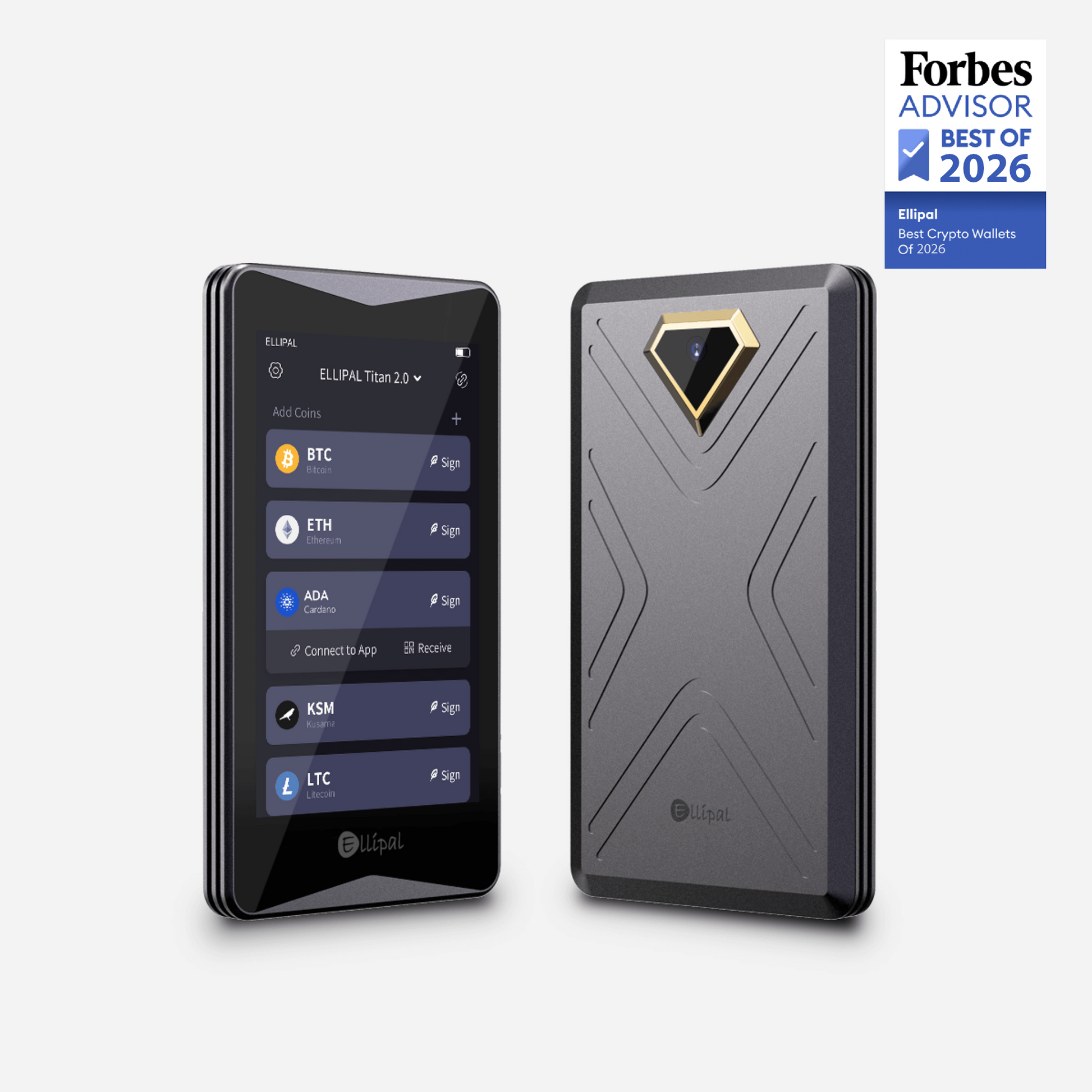
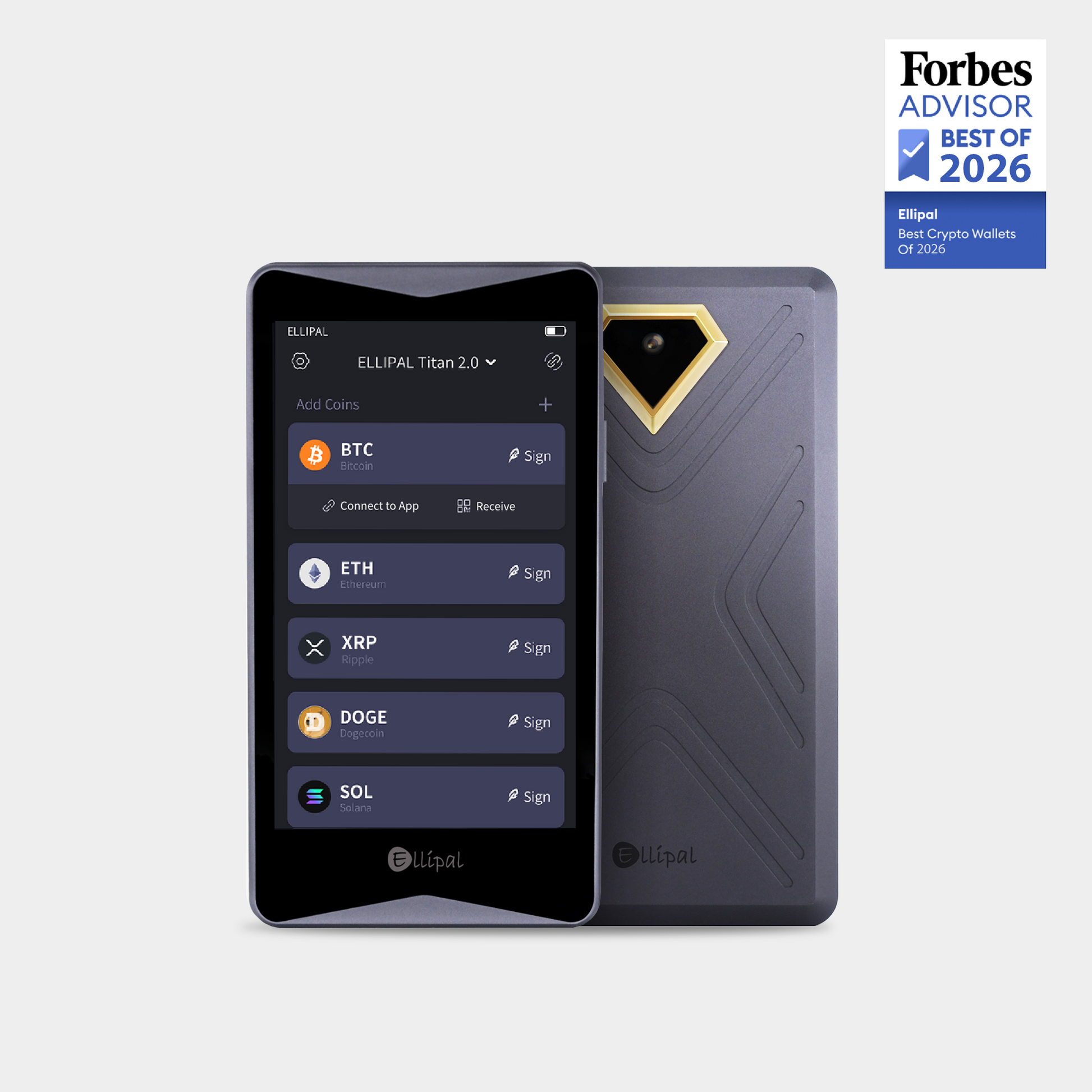
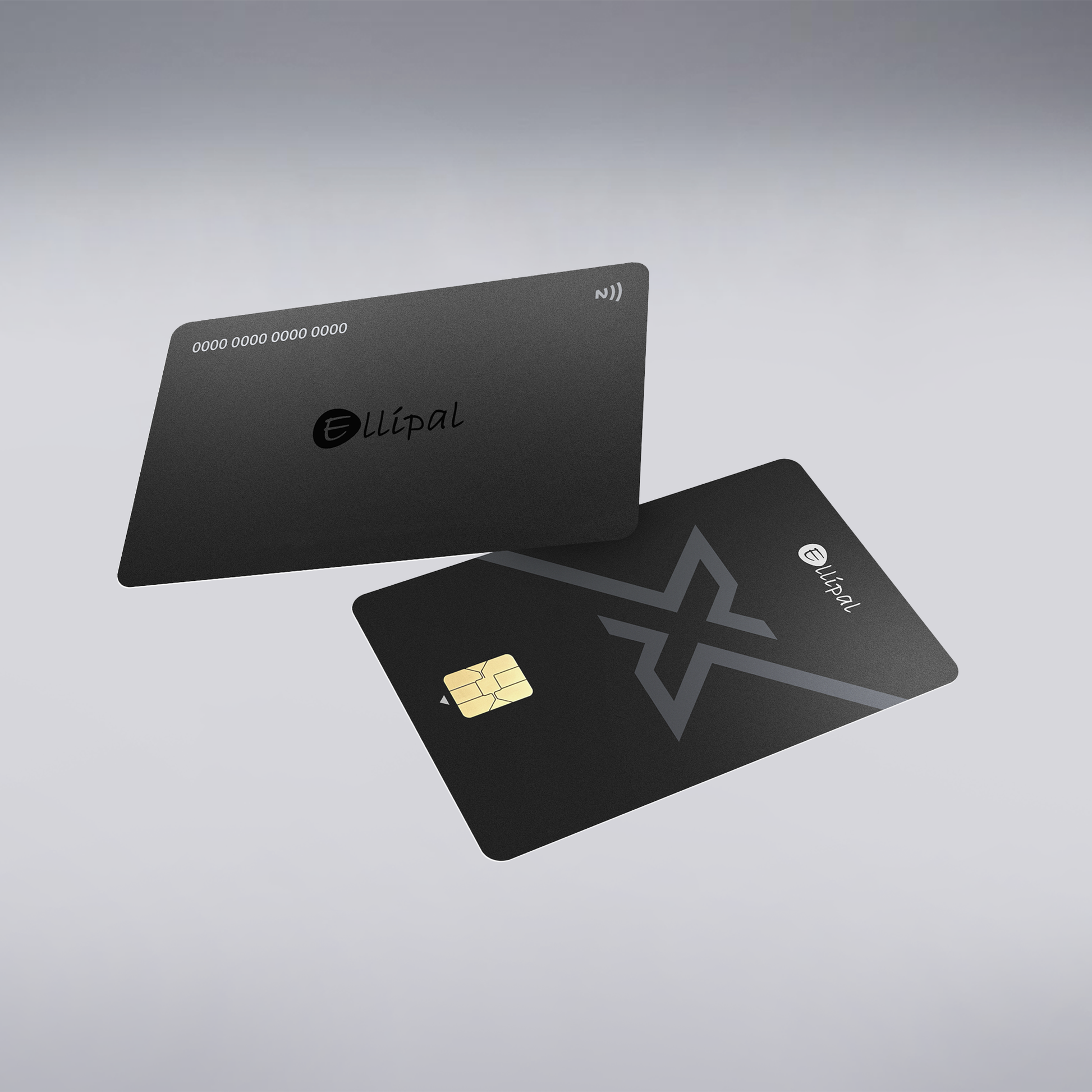
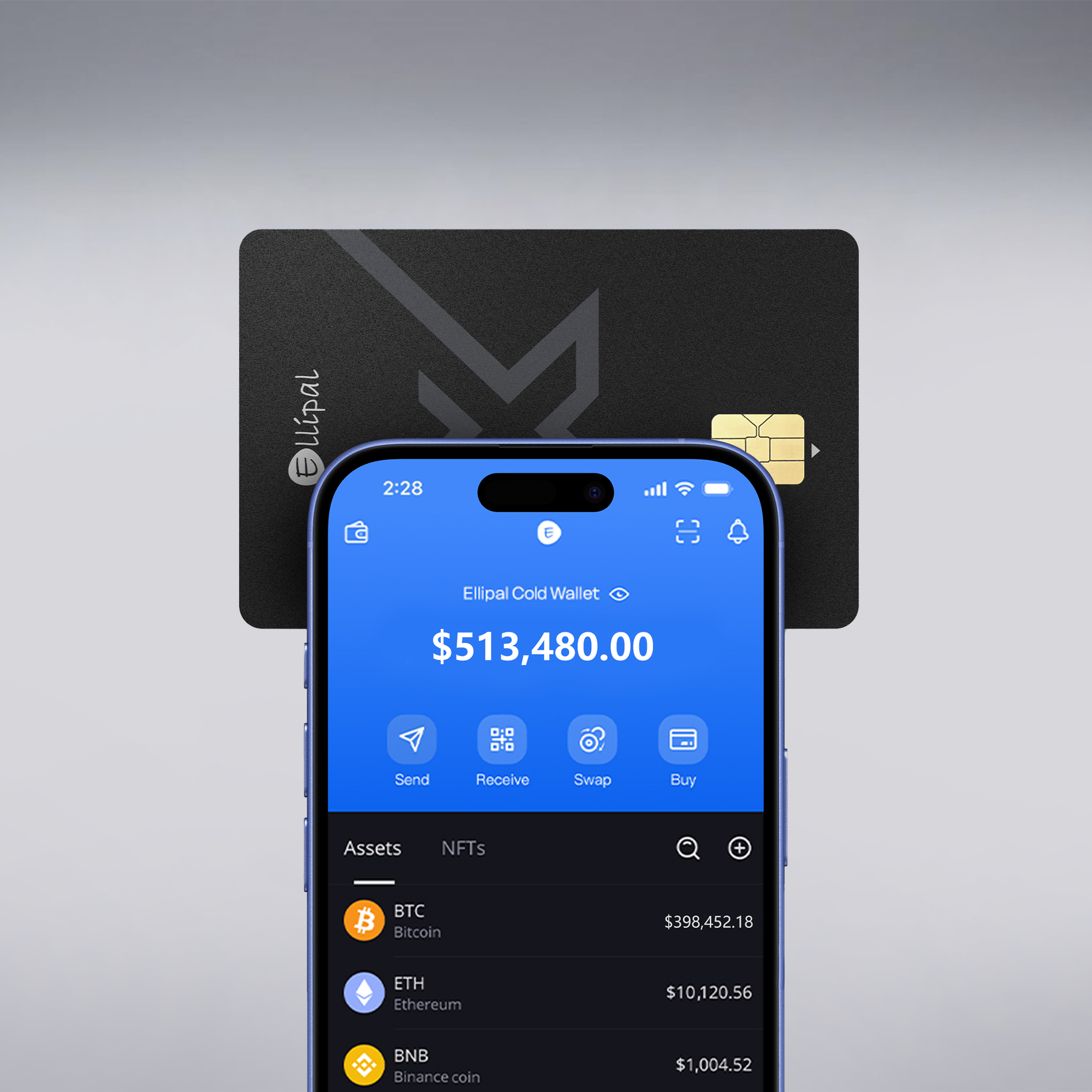
ELLIPAL (est. 2018) makes self-custody hardware wallets that keep keys offline — the air-gapped Titan 2.0 and the NFC-powered X Card, managed in the ELLIPAL App.
Key Features
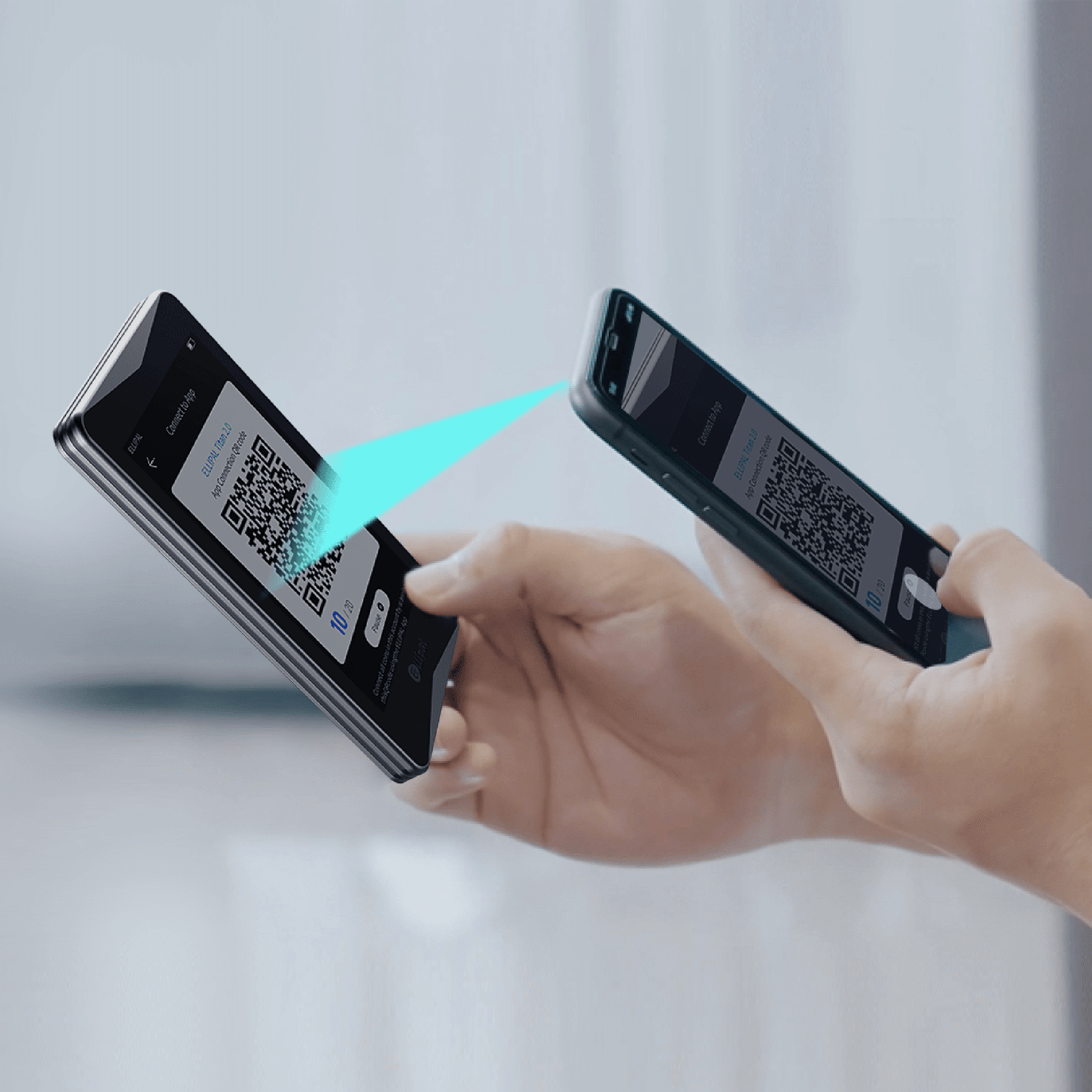
- Air-gapped signing — no WiFi, Bluetooth, or USB data; the Titan 2.0 signs via QR codes on a 4-inch clear-signing screen
- Certified chips & tamper protection — CC EAL5+ (Titan) and CC EAL6+ (X Card) secure elements; metal-sealed body auto-wipes on tamper; the X Card self-destructs after 10 failed PINs
- Broad support — 10,000+ tokens across 45+ blockchains and WalletConnect dApps
- BIP39 compatible — generate or import 12–24 word seeds and restore on any compatible wallet
Main Use Cases
- Long-term cold storage at home with the Titan 2.0
- Everyday spending and travel with the X Card
- Multiple wallets — up to 10 accounts plus hidden secondary wallets
- Offline seed backup and recovery
Highlights
Pros
- Trustpilot rating of 4.0/5 across 287 reviews, with reviewers repeatedly praising support that responds within about 24 hours.
- Broad asset support: 40+ blockchains, 50+ stablecoins, and 10,000+ tokens, plus in-app staking (ADA, ATOM, XTZ, DOT, KSM) and NFT storage.
- Fully air-gapped design — the Titan 2.0 has no USB, Wi-Fi, or Bluetooth and communicates only via QR codes, eliminating remote attack vectors entirely.
- Industry-standard BIP39/44 seed recovery means funds aren't locked to Ellipal, and the X Card can duplicate one wallet across up to 10 backup cards.
- Tamper-resistant hardware: the Titan 2.0's sealed all-metal body auto-wipes data if opened, and devices use CC EAL5+/EAL6+ certified secure elements — the same security grade used in payment cards.
Cons
- The X Card has no screen, so transaction addresses and amounts are only verified through the phone app — there is no independent on-device confirmation.
- Firmware is closed-source, so the code lacks the community auditability that open-source rivals like Trezor offer.
- In-app swap service runs through third-party provider n.exchange, which drew repeated complaints in Trustpilot reviews.
- No multisig support and no Monero, and third-party and desktop integrations are limited compared with Ledger or Trezor.
- QR-code signing is slower and more repetitive than USB-based wallets, a real drawback for high-frequency or desktop-heavy workflows.